R&D (Research and Development) and prototype development play a critical role in the innovation and progress of an organization or company. These processes are used to create, improve and test new products, services or business processes.
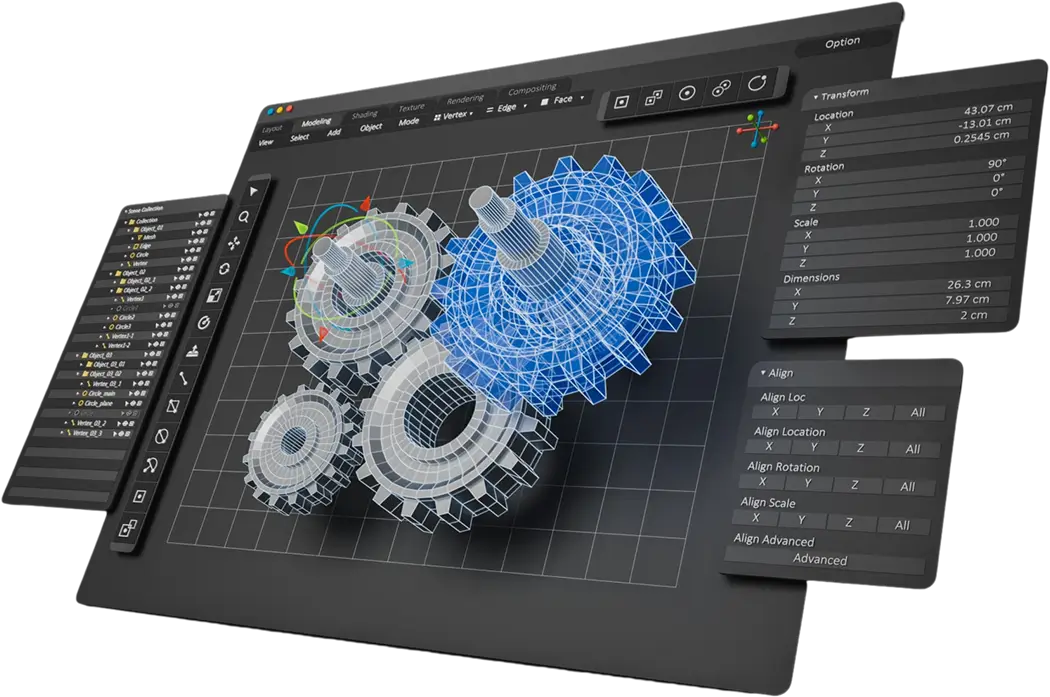
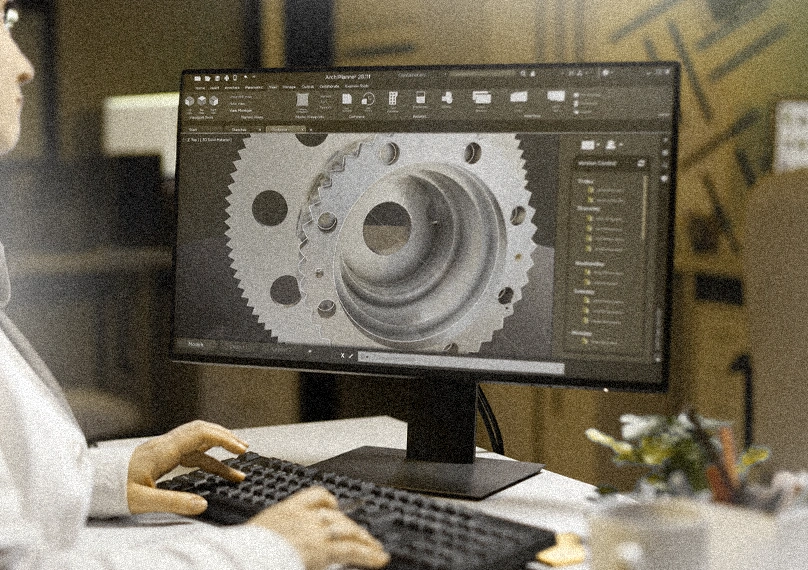
Innovation and Progress: R&D means discovering and developing new ideas and technologies. This is critical for the company to maintain its competitive advantage.
Product and Process Development: R&D activities can be carried out to improve existing products or business processes and make them more efficient. This can increase product quality and optimize production processes.
Market Analysis: R&D can be used to understand market trends and customer needs. This can help develop products and services that meet future demand.
Technological Competition: R&D activities can be used to gain a technological competitive advantage. Innovative technologies and solutions can help the company maintain its leadership in the industry.
Physical Product or Process Modeling: Prototype development involves creating a physical model of an idea or concept. This is important for identifying design flaws and making improvements.
Testing and Feedback: Prototypes can be tested under real-world conditions. This is used to evaluate the performance of the product or process and to collect customer feedback.
Cost and Time Savings: The prototype development stage can help prevent costly mistakes in the final product or process and save time. Early detection of errors that are difficult to fix in later stages is possible.
Encouraging Innovation: Prototypes encourage a culture of innovation within the company. They allow creative ideas to be expressed concretely and let team members see their contributions.
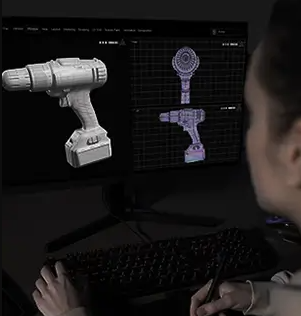
R&D and prototype development processes are important tools for ensuring an organization's sustainability, gaining a competitive advantage and responding better to customer needs. Well-planned R&D and effective prototype development processes can contribute to a company's growth and success.