3D printing is a manufacturing technology in which three-dimensional objects are built layer by layer. This technology is used to turn digital models created with computer-aided design (CAD) software into physical objects. 3D printing is also known as “additive manufacturing” or “rapid prototyping”.
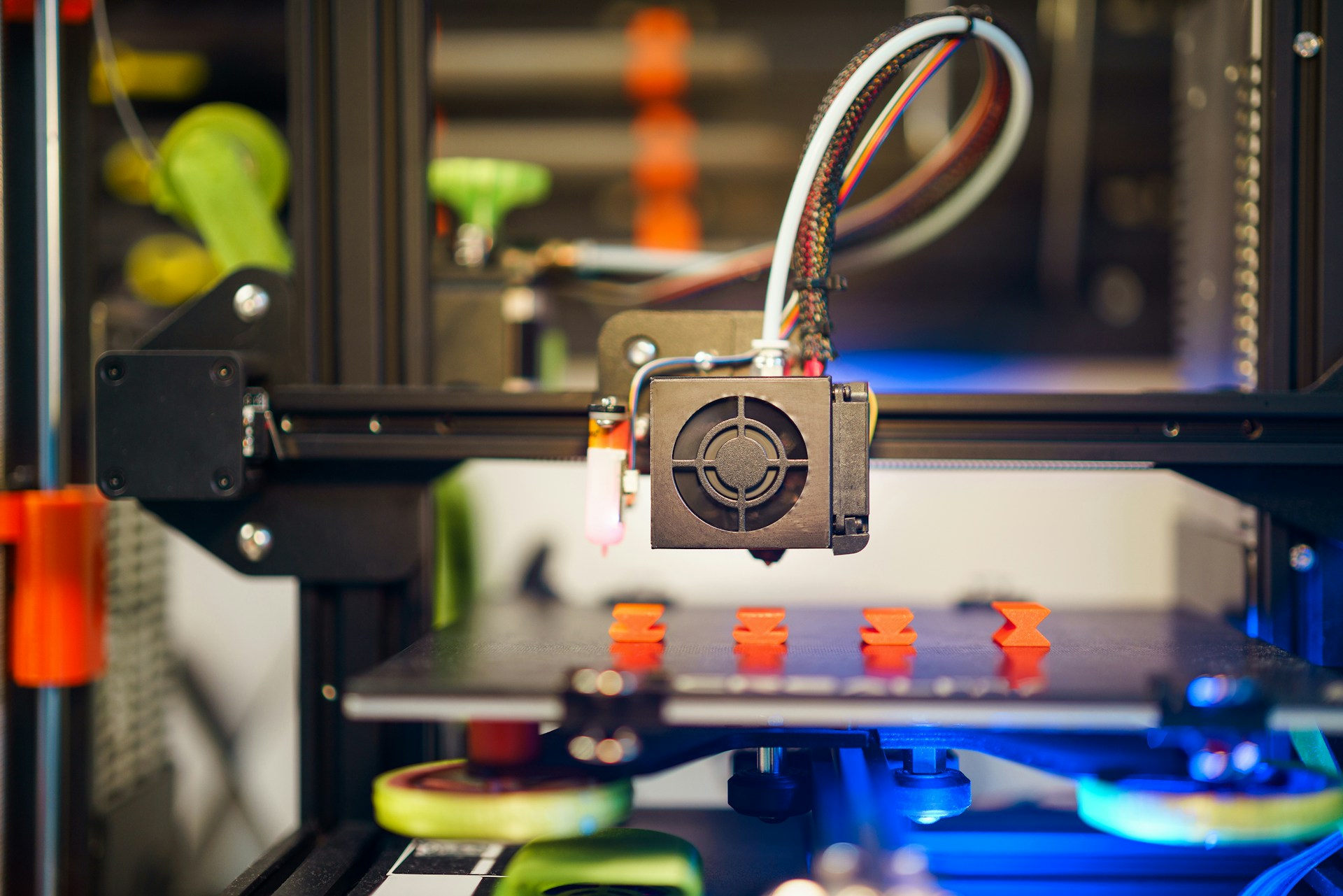
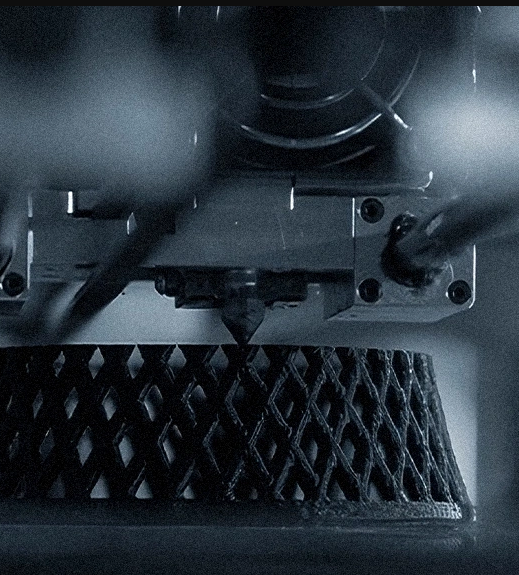
3D printing brings material together in layers to create an object. These layers are formed using information taken from a digital design file.
The materials used in 3D printing cover a wide range. Different materials such as plastic, metal, ceramic, resin and even biological materials can be used. Material selection depends on the intended use of the object and the design requirements.
3D printing is used in prototype development, manufacturing, medicine, education, construction, fashion and a range of other industrial sectors. It is especially popular for the rapid production of custom and complex parts, prototyping, and the production of personalized products.
3D printing allows designs to be quickly turned into physical prototypes. This can speed up the product development process and reduce costs.
3D printing has the potential to minimize material waste. Unlike traditional production methods, it allows only the necessary material to be used.
R&D and prototype development processes are important tools for ensuring an organization's sustainability, gaining a competitive advantage and responding better to customer needs. Well-planned R&D and effective prototype development processes can contribute to a company's growth and success.